Consensus of 4 reviews from 3 independent publishers. Tom's Guide and Android Central (both Future plc) count as one voice. How this is calculated.
consensus 68
Tom's Guide76
CNET68
The Verge65
Android Central64
607080
Each dot is one review, adjusted for how that publication usually scores; the line is our consensus. The closer the dots sit to the line, the more the reviewers agree.
Where the reviewers agree
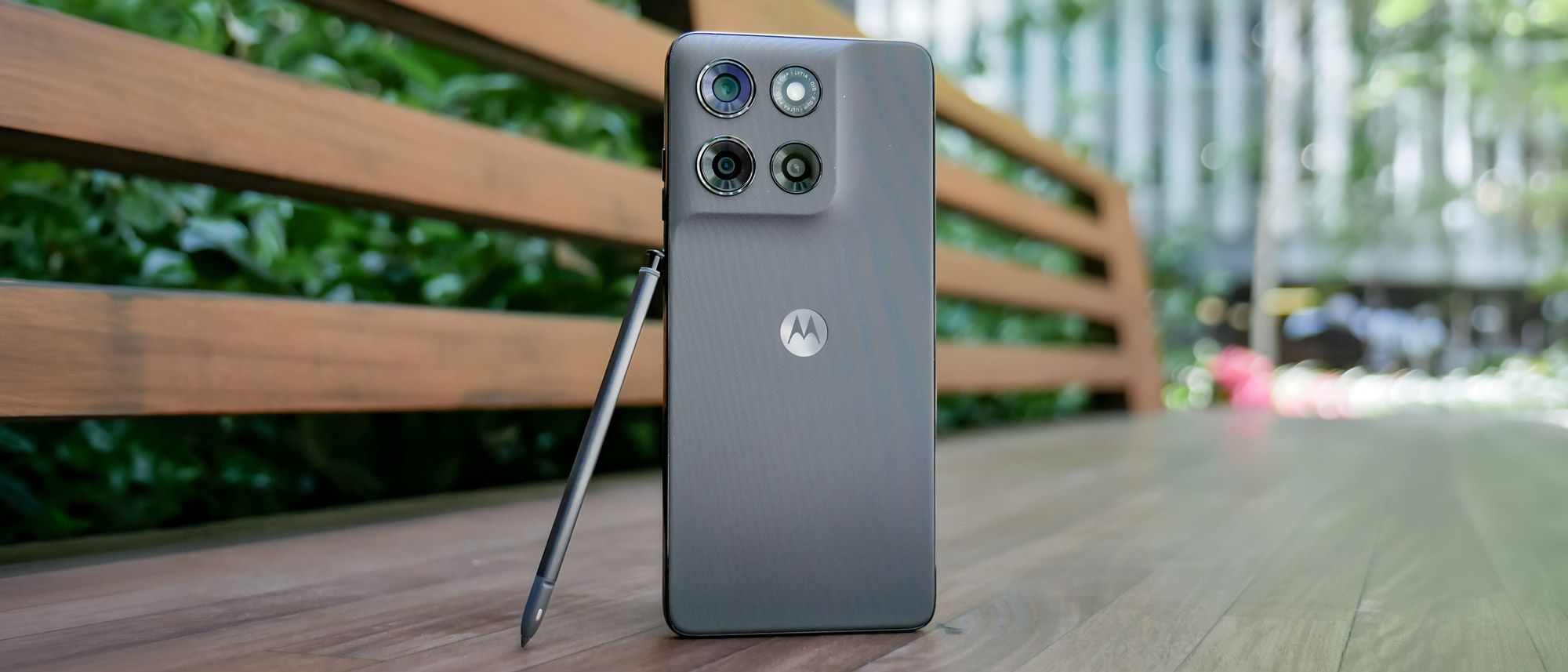
The active pressure-sensitive stylus is a meaningful upgrade over previous Stylus models. — Tom's Guide, The Verge, Android Central, CNET
The $100 price increase over the predecessor is a major drawback. — Tom's Guide, The Verge, Android Central, CNET
Software support is short, with only two OS upgrades and three years of security updates. — The Verge, Android Central, CNET
The phone has IP68/IP69 water and dust resistance and includes a headphone jack and microSD slot. — Tom's Guide, The Verge, CNET, Android Central
Where they disagree
Battery life is praised by Android Central and CNET, while Tom's Guide says it trails rivals. — Android Central, CNET, Tom's Guide
Cameras get mixed reviews: Tom's Guide and Android Central find them good in good light, while The Verge calls them weak with artificial colors. — Tom's Guide, Android Central, The Verge
Tom's Guide and CNET criticise performance, with weak gaming and benchmark lag, while The Verge notes occasional hesitation. — Tom's Guide, CNET, The Verge
Bottom line: Suits buyers who want a usable active stylus, a bright display and a durable build at a mid-range level. The main trade-offs are the $100 price rise, short software support, and weaker cameras and performance than rivals.
Summarised with AI from the 4 reviews below — each one is linked in full.
Photos belong to the publications credited; each links to the full review.
Key specs
Released
April 2026
Launch price (USD)
$499
Form factor
Standard
OS
Android
Display
6.7″
Main camera
50 MP
Telephoto lens
No
Battery
5,200 mAh
Wired charging
68 W
Chipset
Snapdragon 6 Gen 3
Base storage
128 GB
Weight
192.3 g
Software updates
2 years
Sold in
US
What the reviewers said
Tom's Guide US
4/5May 9, 2026
A notable upgrade with a true active stylus and rugged build, but a $100 price hike and weak gaming and low-light cameras temper it. Still a compelling mid-range value with…
True active stylus with pressure and tilt sensitivity
A much more useful stylus makes this Moto G Stylus worth considering, though the steep price rise, short software support and weaker performance hold it back.
Revamped stylus with mouse-like cursor and hover highlights
Bright 5,000-nit display
Fast 68-watt wired charging
Headphone jack, microSD slot and IP68/IP69 rating
Good battery life for a full day
Big year-over-year price increase to $600
Only two years of OS updates, three of security
Snapdragon 6 Gen 3 lags behind rivals in benchmarks
A good mid-range phone with a useful active stylus, great battery life and fast charging, but a $100 price increase and minimal hardware changes make rivals more appealing.
Verdicts, pros and cons are short summaries in our words of each publisher's review; scores are as the publisher gave them. Specs are taken from the reviews' spec boxes — where they differ, we show the value most of them give; price is the US launch price of the base model. Read the originals for the full picture.